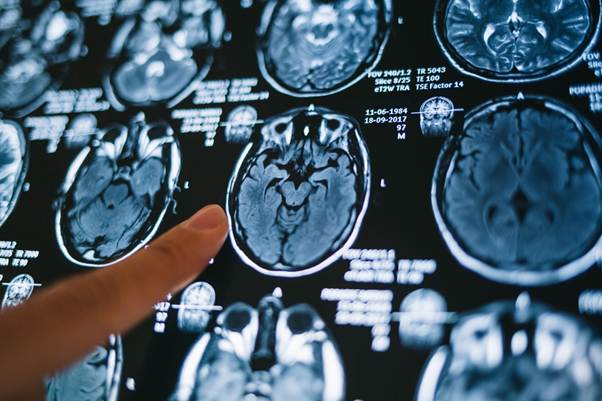
In the 21st century, medical data is exploding like a tsunami, with over 90% of medical data coming from imaging (X-rays, CT, MRI). Facing the pressure of overwhelming workloads in diagnostic imaging departments, Artificial Intelligence (AI) is no longer science fiction; it has become a tireless, indispensable “assistant,” opening up a new era of Precision Medicine in hospitals both globally and in Vietnam.
The Doctor’s “Second Pair of Eyes”
Diagnostic imaging is the “backbone” of modern medicine, helping to detect pathologies at an early stage. However, visual fatigue, time pressure, and the complexity of human anatomy can lead to errors or the overlooking of small lesions. This is where AI steps in.
Unlike traditional computer software, AI in healthcare uses Deep Learning and Computer Vision technology. These systems are “trained” on millions of pathological images labeled by leading experts. The result is algorithms capable of identifying abnormalities with comparable, or even superior, accuracy to humans in specific tasks.
The Revolution in Every Pixel: From X-ray to MRI
The integration of AI is happening rapidly across all three of the most common diagnostic modalities today:
1. X-ray: The First Line of Defense
A standard chest X-ray is the most common indication but is also the most likely to have subtle lesions missed due to overlapping structures (ribs, blood vessels).
-
Application: Current AI algorithms can automatically delineate suspected lesions such as pulmonary nodules, pleural effusions, or subtle rib fractures within seconds.
-
Effectiveness: A study published in the journal Nature showed that AI helped reduce the rate of missed lung cancers on X-rays by up to 29% compared to conventional image reading procedures.
2. CT Scanner: Racing Against the Clock
In stroke emergencies or cancer detection, computed tomography (CT) scans generate hundreds of image slices.
-
In Oncology: AI assists in automated pulmonary nodule volumetry, analyzing the characteristics of the nodule (solid/subsolid) to predict malignancy risk, helping doctors decide whether to biopsy or monitor.
-
In Stroke: In stroke centers, AI software automatically analyzes CT angiography scans to identify the core of the infarct and the salvageable penumbra region, helping doctors decide on thrombectomy intervention within the critical “golden hour.”
3. MRI: The Pinnacle of Detail
MRI provides excellent soft tissue imaging, but the scanning time is long, and reading the results is highly complex.
-
Accelerating Scans: Major diagnostic imaging manufacturers are integrating AI to reconstruct images from less raw data, helping to reduce patient time spent in the machine by 50% while maintaining image quality.
-
Tumor Segmentation: In brain or prostate cancer, AI helps automatically outline tumor boundaries, assisting radiation oncologists in planning precise radiation beams to the diseased cells while sparing healthy tissue.
Practical Benefits for Vietnam’s Healthcare System
In Vietnam, the problem of hospital overcrowding at the central level and the shortage of qualified diagnostic imaging doctors at the local level is a complex challenge. AI is bringing about positive changes:
1. Large-scale Screening and Early Detection
Vietnam has a high prevalence of tuberculosis and lung cancer. Applying AI to mobile X-ray screening vehicles helps screen thousands of people in remote areas. AI acts as a filter (Triage), automatically flagging “abnormal” films for priority reading by doctors, while “normal” films can be cleared quickly.
2. Reducing Errors and Standardizing Procedures
A doctor in a district hospital encountering a difficult case can consult AI suggestions as a Second Opinion. This increases confidence in diagnosis and reduces unnecessary referrals to higher-level hospitals.
3. “Make in Vietnam”: The Mark of Vietnamese Technology
Beyond importing technology, Vietnam has pioneering enterprises developing medical AI:
-
Integrated into major hospitals such as Central Military Hospital 108, Hanoi Medical University Hospital, and Hospital 199 Da Nang.
-
AI model data achieves over 90% accuracy in detecting pulmonary pathologies on chest X-rays.
-
This is evidence that Vietnamese intellect can fully master core technology in precision medicine.
The Future: AI as a Colleague, Not a Replacement
No matter how powerful AI becomes, it cannot entirely replace the diagnostic imaging doctor. Medicine is not just about looking at images; it is the synthesis of patient history, clinical findings, and empathy.
However, the famous saying in the medical community is gradually becoming a reality: “Doctors who use AI will replace doctors who do not use AI.”
In the near future, the synergy between Human Intelligence (Experience, intuition) and Artificial Intelligence (Speed, accuracy, big data processing capabilities) will create a smart healthcare system. There, patients benefit from correct diagnoses from the start, personalized treatment protocols, and optimized healthcare costs.
The AI revolution in diagnostic imaging is happening right now in clinics and hospitals across Vietnam. From detecting a small nodule in the lung to saving a stroke patient’s life in the nick of time, AI is silently contributing to public health protection, bringing the nation’s medicine closer to global standards in Precision Medicine