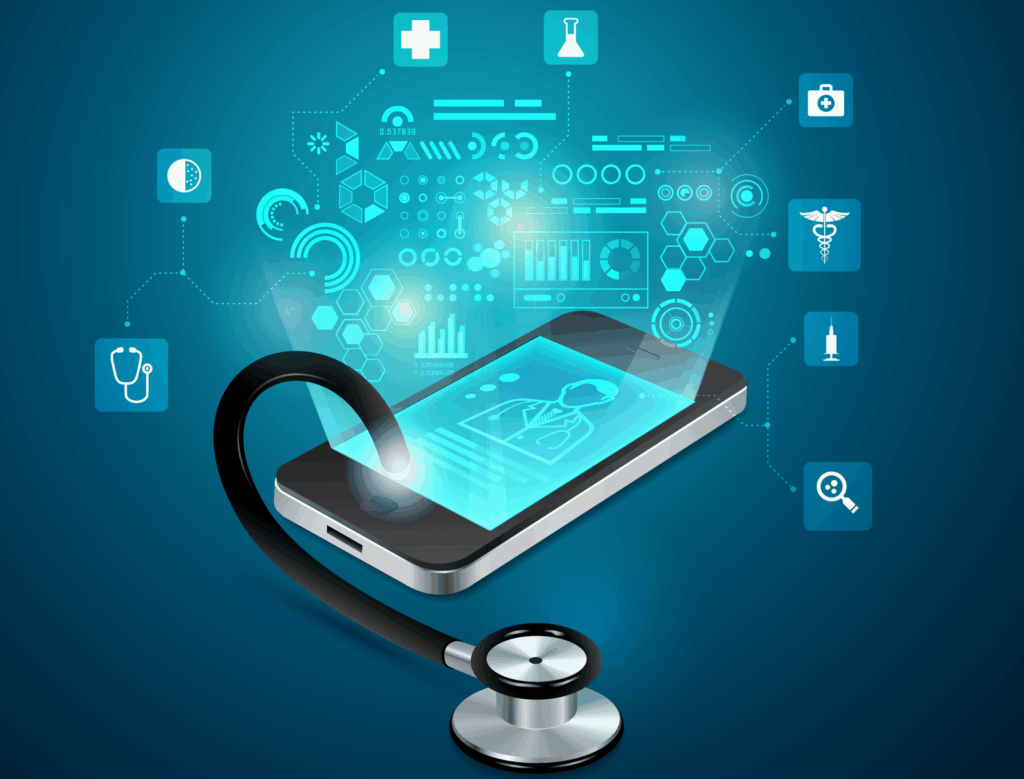
In the digital age, where technology dominates every aspect of life, the healthcare sector is also undergoing a profound revolution. Telehealth is no longer just a temporary solution spurred by the global pandemic; it has become a comprehensive healthcare model that helps remove geographical barriers and opens up a future for accessible, timely, and personalized medical services.
- Telehealth: Concept and Three Pillars of Technology
Telehealth is the use of information and telecommunications technology to provide healthcare services, information, and medical education. The term is much broader than just video calls with a doctor; it encompasses three main components that are reshaping the way services are delivered:
(Getty Images) [Note: The “Getty Images” reference is kept as per the original text structure]
- Telemedicine: This is the clinical aspect, including consultation, diagnosis, and treatment conducted via secure video, audio, or messaging. It helps monitor diagnosed patients or provides a Second Opinion from specialists at central hospitals.
- Remote Patient Monitoring (RPM): This involves using smart wearable devices, sensors, and home medical devices (such as blood pressure monitors, blood glucose meters) to automatically collect and transmit the patient’s vital signs data to a healthcare center.
- Mobile Health (mHealth): This includes mobile applications that provide health education, medication reminders, appointment booking, and connect patients to the care system.
- Overwhelming Benefits of the Telehealth Model
The implementation of Telehealth brings comprehensive benefits, directly impacting patients, healthcare staff, and the management system, resolving long-standing issues in the medical field:
Improving Accessibility 🗺️
For Vietnam, where the terrain is diverse between urban and rural areas, Telehealth is an effective spatial bridge.
- Patients in remote and isolated areas can receive diagnosis and consultation from skilled specialists in major cities without having to travel hundreds of kilometers.
- It helps the elderly, people with disabilities, or those with limited mobility easily access healthcare services without facing physical barriers.
Enhancing Chronic Disease Management 📈
This is the area where RPM is most effective. Continuous monitoring of metrics such as blood pressure, blood glucose, and electrocardiograms helps doctors track the patient’s condition in real-time rather than just relying on data from the time of examination.
- Scientific Evidence: Studies published in the Journal of the American College of Cardiology have shown that using RPM in heart failure patients significantly reduces readmission rates and healthcare costs because doctors can adjust medication immediately upon detecting abnormalities.
Increasing Cost-Efficiency and Reducing Overload at Central Hospitals 💰
- Reduces the number of times patients must visit the hospital, saving costs associated with travel, accommodation, and waiting times.
- Allows central hospitals to remotely classify and triage patients, admitting only cases that truly require specialized intervention, thereby significantly reducing the burden on the system.
- Practical Applications and Scientific Evidence
Telehealth has proven effective across many specialties, from simple issues to complex pathologies:
Mental Health (Telepsychiatry)
This is one of the most successful Telehealth applications due to the non-physical examination nature of the service.
- Effectiveness: Research from the American Psychiatric Association shows that psychological counseling and psychiatric treatment via video are equally effective as face-to-face sessions. This helps reduce stigma, increase privacy, and improve patient adherence to treatment.
Remote Monitoring
Devices such as smartwatches, Bluetooth-connected blood pressure monitors, and continuous sensor patches constantly collect data on heart rate, sleep, and activity.
- Method: This data is transmitted to the cloud and analyzed by AI. When an abnormality is detected (e.g., sudden high blood pressure), the system sends an alert to the doctor or family members.
Dermatology (Teledermatology)
Skin conditions are often easily diagnosable through high-quality images.
- Application: Utilizing the Store-and-Forward model, where patients take pictures of a skin lesion, send them to the doctor, and receive results later. This is particularly useful in areas lacking specialized dermatologists.
- Real-World Implementation of Telehealth in Vietnam 🇻🇳
Vietnam has been prioritizing Telehealth as one of the key strategies in the National Digital Transformation Program.
Connectivity Systems and Legal Framework
- Legal: The government has issued important legal documents (such as Decree 118/2021/ND-CP) creating a legal corridor for remote medical examination and treatment, including the provision of prescriptions and electronic health records.
- Connectivity System: Central hospitals (such as Bach Mai Hospital, Cho Ray Hospital) have established Telehealth centers to consult and train hundreds of provincial and district hospitals. This helps improve diagnostic and treatment capacity at lower levels, reducing unnecessary patient transfers.
Challenges to be Addressed
The expansion of Telehealth in Vietnam still faces challenges:
- Network Infrastructure: There is a need for continued investment and upgrade of transmission lines, especially in mountainous and island regions, to ensure high video quality and the transmission of large medical data (such as MRI, CT images).
- Data Security: The storage and transmission of electronic health records must comply with strict security standards to protect patient privacy.
- Insurance Coverage: Standardizing and expanding the scope of health insurance payments for Telehealth services is a key factor for the sustainable development of this model.
- The Future of Hybrid Care
The future of healthcare is not either in-person or remote care, but a Hybrid combination. Doctors will use continuous data from RPM devices and Telemedicine tools to make treatment decisions and only require patients to visit the clinic when physical intervention is truly necessary.
The integration of Telehealth and Artificial Intelligence (AI) will soon allow AI to analyze 24/7 vital sign data, detect early signs of health decline (e.g., abnormal heart rate changes), and automatically alert both the patient and the doctor.
Conclusion: Telehealth is reshaping the healthcare experience, transforming it from a service limited by space and time into a proactive, continuous, and deeply personalized solution, fitting the pace of development in the Digital Age.